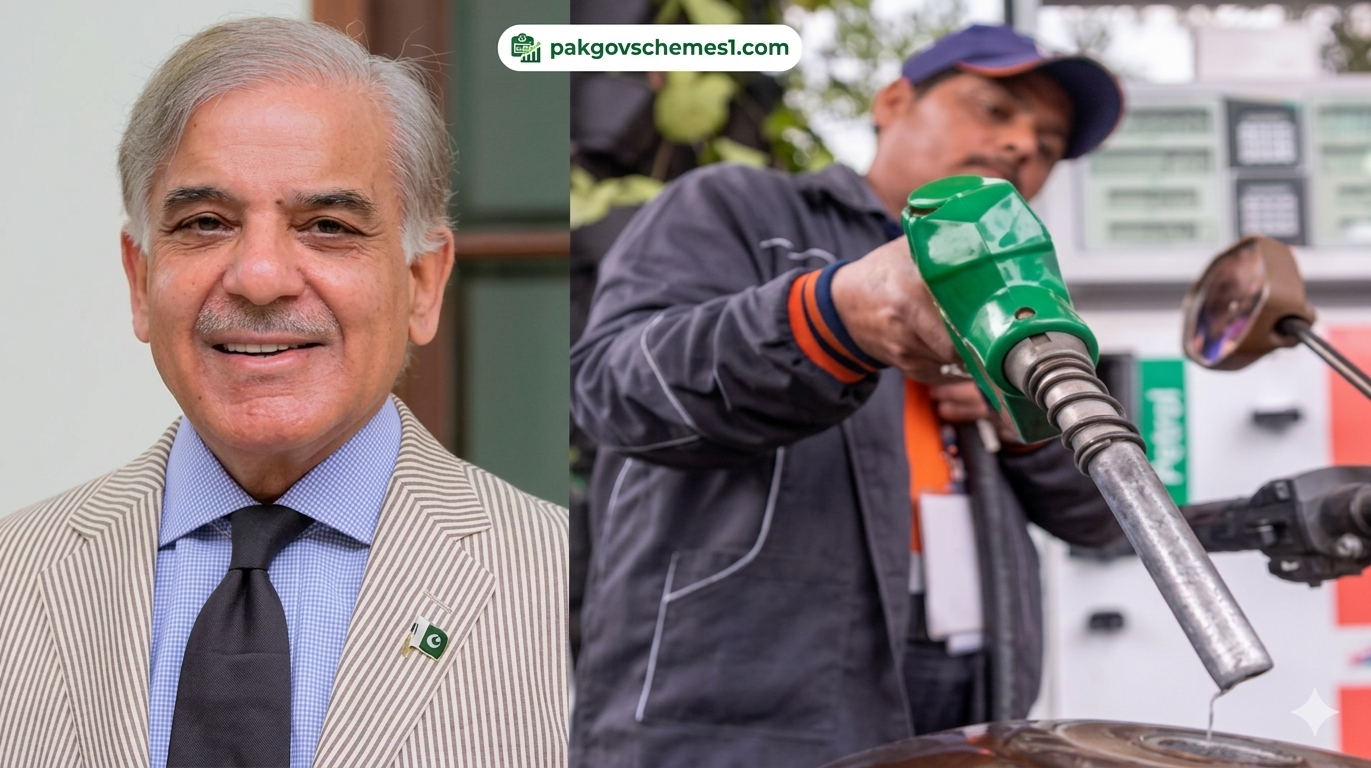
High Octane fuel Price has been increased by Rs. 200 per litre, raising the levy from Rs. 100 to Rs. 300. The government says this move will generate Rs. 9 billion monthly savings and provide relief to the public. The new price of High Octane fuel petrol will cross Rs. 530 per litre, but fuels used by middle-income and low-income groups remain unchanged. This increase only affects luxury vehicles and will not impact public transport fares or air travel costs. The decision, approved by Prime Minister Shehbaz Sharif, shifts the burden to the wealthiest segment while protecting ordinary citizens.
The government of Pakistan has announced a major change in the cost of high octane fuel, which is mostly used in luxury vehicles. On Sunday, Prime Minister Shehbaz Sharif approved a new levy increase of Rs. 200 per litre. This decision shocked many people because it makes high-octane petrol much more expensive than before.
Earlier, the levy was Rs. 100 per litre, but now it has been raised to Rs. 300 per litre. With this change, the price of high octane fuel will cross Rs. 530 per litre. The price may still vary because high octane fuel is not fully regulated by the government.
Also Read: US F-35 Stealth Fighter Jet Reportedly Shot by Iran [Video]

Why the Govt Raised the Price
During a video-link meeting, the prime minister explained that the richest people in the country, who drive luxury cars, should pay more for the fuel they use. He said that this step will help the economy and also give relief to the public.
The government expects that this increase will generate around Rs. 9 billion every month. This money will be redirected toward public welfare programs and support for ordinary citizens.
Officials added that this move will reduce financial pressure on the national economy. Instead of burdening middle-income and low-income groups, the cost is shifted to the wealthiest segment of society.
Impact on Common Citizens
The government made it clear that the prices of fuels used by public transport and daily commuters will not change. This means that middle-class families and working-class groups will not face higher costs for their everyday travel.
The increase only applies to high-octane fuel, which is mainly used in luxury vehicles. It will not affect public transport fares, air travel costs, or the price of fuels like petrol and diesel that are more commonly used.

This shows that the government is trying to balance the needs of the economy with the protection of ordinary citizens.
News Overview
| Detail | Information |
|---|---|
| Fuel Type | High Octane fuel |
| Old Levy | Rs. 100 per litre |
| New Levy | Rs. 300 per litre |
| Price Impact | Over Rs. 530 per litre |
| Monthly Savings | Rs. 9 Billion |
| Affected Users | Luxury Vehicle Owners |
| Unaffected Users | Public Transport, Air Travel |
Education for Readers
This decision is an example of how government policies can target wealthy groups while protecting ordinary citizens. By raising the price of luxury fuel, the government collects more money to support public relief programs.
It also shows the importance of economic planning. When the government increases taxes or levies on items used by the rich, it can use that money to help the poor. This way, the financial burden is shared more fairly.
Meeting Details
The meeting where this decision was made was chaired by Prime Minister Shehbaz Sharif. It was attended by Finance Minister Muhammad Aurangzeb, Information Minister Attaullah Tarar, Petroleum Minister Ali Pervaiz Malik, and other senior officials.
The prime minister had earlier asked the relevant ministry to prepare policy recommendations about high octane fuel pricing. After reviewing the suggestions, he approved the increase.
Conclusion
The rise in high octane fuel price by Rs. 200 per litre is a bold step by the government. While it makes fuel for luxury vehicles more expensive, it protects the interests of ordinary citizens. The expected Rs. 9 billion monthly savings will be used to provide relief to the public and strengthen the economy.

This move highlights the government’s strategy of shifting the burden to the wealthiest segment while keeping public transport and daily fuel costs stable.
Frequently Asked Questions (FAQs)
Q1: Why did the govt increase the price of high octane fuel? The government raised the high octane fuel price to collect more money from luxury vehicle owners. This step will generate Rs. 9 billion monthly savings that will be used to give relief to the public.
Q2: Who will be affected by the new high octane fuel levy? Only people who use high octane fuel in luxury cars will be affected. The wealthiest segment of society will pay more, while ordinary citizens remain safe from this increase.
Q3: Will the price of petrol and diesel also go up? No. The government confirmed that the prices of petrol and diesel, which are used by middle-income and low-income groups, will stay the same.
Q4: How much is the new levy on high-octane fuel? The levy has increased from Rs. 100 per litre to Rs. 300 per litre. This means the total high-octane price will now cross Rs. 530 per litre.
Q5: Will public transport fares or air travel costs change? No. The government clearly stated that the increase applies only to high-octane fuel. It will not affect public transport fares or air travel costs.
Q6: What will the govt do with the extra money collected? The government plans to use the Rs. 9 billion monthly savings to support public welfare programs and provide relief to ordinary citizens.
Q7: Who attended the meeting where this decision was made? The meeting was chaired by Prime Minister Shehbaz Sharif and attended by Finance Minister Muhammad Aurangzeb, Information Minister Attaullah Tarar, Petroleum Minister Ali Pervaiz Malik, and other senior officials.
Similar Posts